

What does real leadership for community health look like when political commitment is high but systems must deliver sustained impact?
April 2025, Oxford, United Kingdom
At this year’s Skoll World Forum in Oxford, the CHU4UHC Coalition convened a session that went beyond celebrating milestones; it pressed hard on the harder question: now that Kenya has 100,000 community health promoters who are digitised, kitted, and receiving a stipend, what comes next?
Julius Mbeya opened the session by grounding participants in what the Coalition was built to do: strengthen government engagement, improve how resources are used, and help scale interventions that work. But his framing was clear: these gains will mean little if the systems that deliver them cannot survive political transitions. Resilience, not just reach, is the goal.
One of the most grounding moments of the session came from Mrs Maureen Wauda, a CHP from Migori County, who spoke directly about her experience delivering services at the community level. Mrs Wauda acknowledged the Government of Kenya’s tangible support to CHPs: the phones, the eCHIS platform, the kits, and the stipends. Yet she was candid about a persistent challenge: recurring commodity stockouts that interrupt service delivery for the very communities CHPs serve. She called on both government and development partners to treat last-mile supply as a priority, not an afterthought. Her voice was a reminder that strong national commitments must translate to uninterrupted service at the household level, and that CHPs themselves are among the most honest evaluators of where systems still fall short.
Speaking on behalf of funding partners, Michelle Adeniyi of Crown Family Philanthropies, underscored why philanthropic investment in community health remains essential: governments, however committed, cannot meet all community health needs alone. She commended the CHU4UHC approach and encouraged other countries to learn from it, not just as a model of resource mobilisation, but as a platform for shared learning and efficiency.
Dr Joel Gondi, Director of Primary Health Care, Ministry of Health, Kenya, offered an official acknowledgement of what partners often wonder: whether the government truly values coalition coordination. His answer was unambiguous. The CHU4UHC Coalition, he noted, has strengthened communication between partners and made interventions more coherent, particularly for vulnerable communities that depend on primary health care.
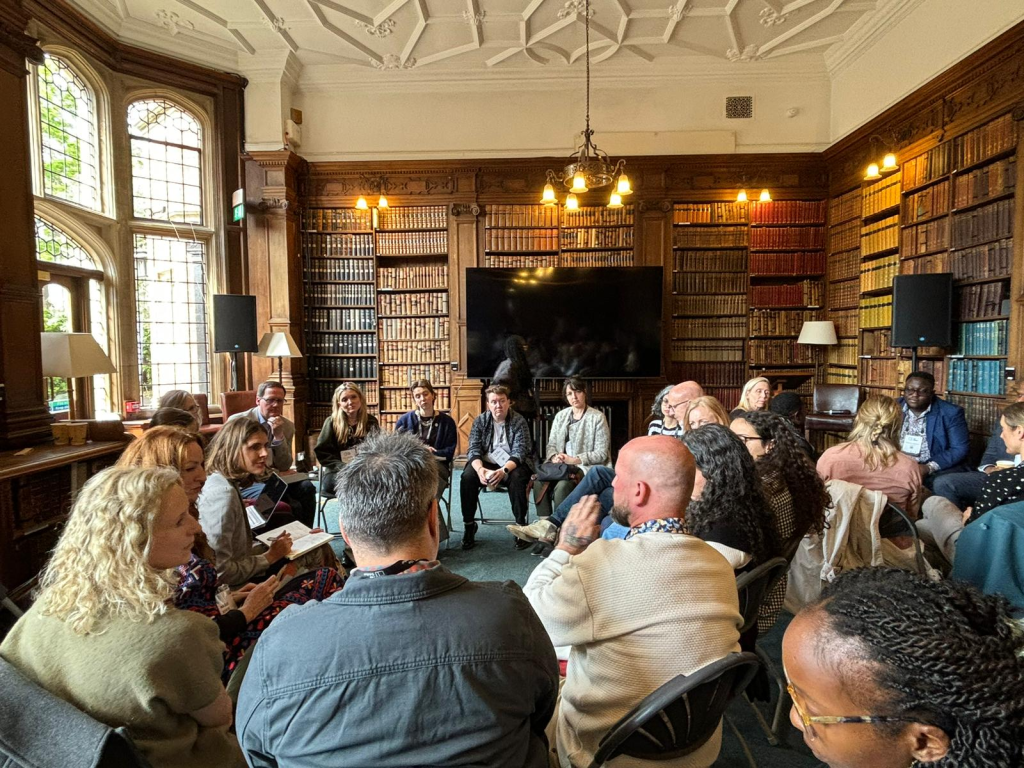
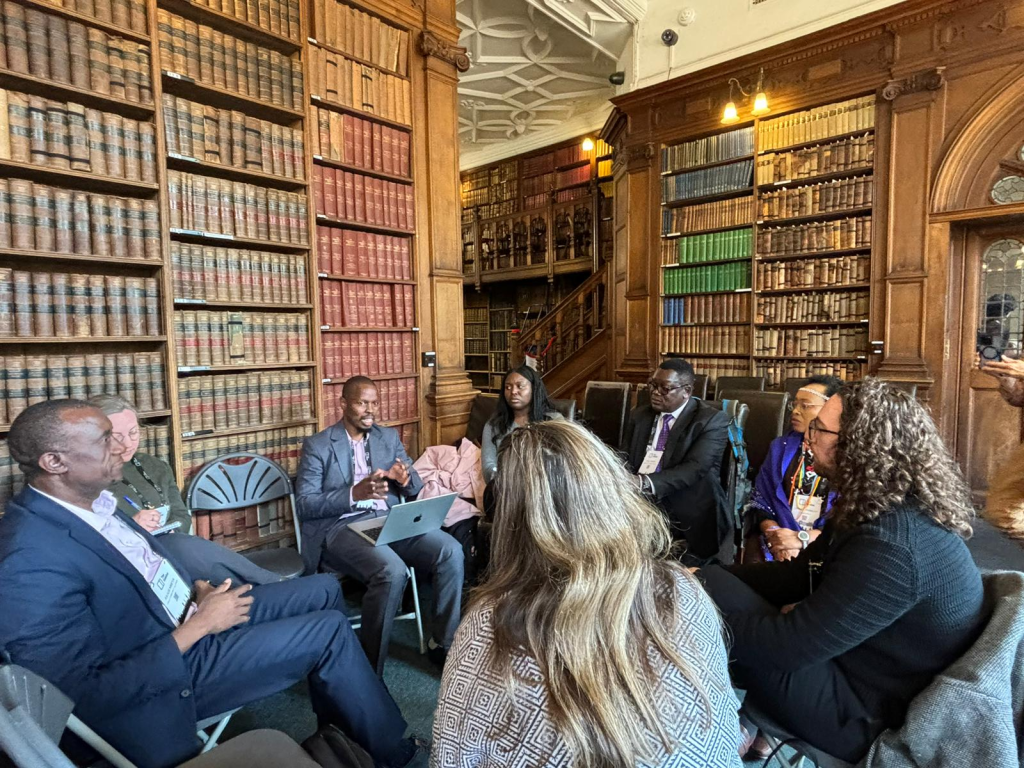
Participants broke into working groups to examine the critical levers that determine whether community health systems deliver consistent impact. Five themes emerged as the defining challenges:
- Leadership & Governance
- Moving from political will to depoliticised, resilient structures
- Financing
- Translating commitments into dedicated budget lines and co-investment
- Supply Chain
- Ensuring last-mile availability of essential commodities
- Digitization
- Shifting eCHIS from data collection to real-time decision-making
- Supervision & Performance
- Strengthening accountability toward measurable outcomes
Kenya’s journey, aligning policy, politics, and legislation to achieve rapid progress in community health, is instructive for the continent. But the country’s own experience also reveals what the next frontier looks like: governance structures that hold regardless of election cycles, reduced politicisation of the community health workforce, and performance systems that can sustain delivery at scale.
The session drew practitioners, policymakers, and partners from across Africa and beyond. What emerged was less a set of new solutions and more a sharpened sense of shared purpose: leadership for community health must move beyond intent. It must be institutionalised. It must be accountable. And it must be able to outlast the leaders who championed it.
The CHU4UHC Coalition’s presence at Skoll was a signal that this work belongs in global conversations about systems transformation, not just as a Kenya story, but as a demonstration of what coordinated, government-anchored, partner-supported community health can look like when it matures.
The future of community health will be defined not by how many systems we build but by how well we lead, govern, and sustain them.