
Primary Health Care (PHC) is the foundation of Kenya’s health system, providing essential, affordable, and equitable health services to individuals and communities. It integrates promotive, preventive, curative, rehabilitative, and palliative health interventions, ensuring that the health system remains people-centred and responsive. To accelerate progress towards Universal Health Coverage (UHC), robust regulatory frameworks are required to operationalize PHC policies, strengthen service delivery, and promote accountability.
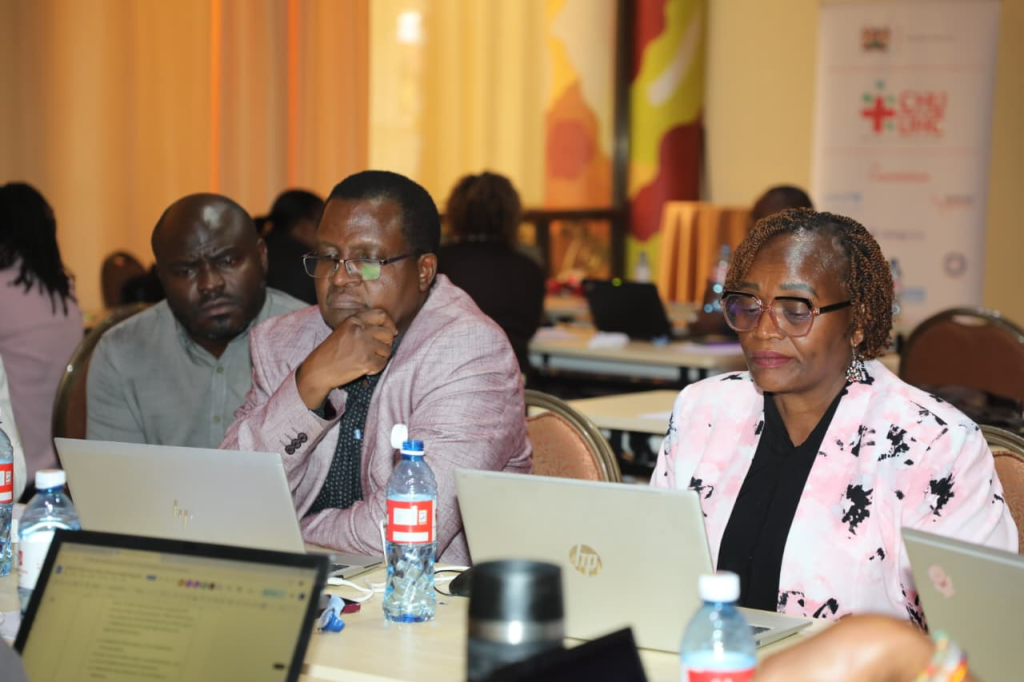
In recognition of this need, the Ministry of Health, through the Division of Primary Health Care and the Legal Department, in collaboration with the CHU4UHC partners, is in the process of developing draft PHC guidelines, designed to provide a comprehensive framework for implementing PHC across the country.

Structure of the Draft Guidelines
The guidelines are organized into ten substantive parts that address critical components of PHC:
- Preliminary Provisions – Definitions, objectives, scope, legal authority, and guiding principles.
- Governance and Coordination – Roles of the Ministry of Health, county governments, and health facilities; establishment of PHC governance structures; and coordination with non-state actors.
- Human Resources for PHC – Staffing norms, recruitment, deployment, continuous professional development, retention, and performance management.
- Health Products and Technologies – Procurement and supply chain management, quality regulation of medicines and vaccines, and integration of innovations and digital health technologies.
- Service Delivery and Quality Assurance – Minimum PHC service package, facility licensing and accreditation, and quality monitoring mechanisms.
- Referral and Continuity of Care – Referral pathways, emergency referral systems, and feedback mechanisms.
- Data Management and Reporting – Standardized health information systems, digital reporting tools, and data protection.
- Community Participation and Accountability – Roles of community health committees and volunteers, social accountability mechanisms, and structured feedback processes.
- Transition Provisions – Integration of existing policies and laws, transitional staffing and governance arrangements, and phased implementation timelines.
- Schedules – Templates for reporting and governance, essential medicines lists, referral tools, and service standards.
Next Steps
The process towards finalizing the Primary Health Care (PHC) guidelines will follow a structured sequence, beginning with the consolidation of the draft, after which a review meeting will be held with technical experts, policymakers, and community representatives. This will be followed by a national validation workshop to build consensus, alongside public participation processes to integrate citizen and stakeholder input. The final step will be the submission of the guidelines to the Ministry of Health and subsequently to Parliament for approval and adoption.
CHU4UHC’s Role in Advocacy
As a platform committed to strengthening community health and advancing UHC in Kenya, CHU4UHC has consistently championed the institutionalization of PHC as the backbone of the health system. Through its convening power and advocacy efforts, the platform has amplified the voices of community health promoters, civil society, and development partners to ensure that PHC remains central to Kenya’s health agenda.
The development of the PHC guidelines is not only a policy milestone but also a demonstration of the collective impact of sustained advocacy. By bringing diverse stakeholders together and ensuring that community perspectives are included in regulatory frameworks, CHU4UHC continues to play a pivotal role in shaping policies that strengthen primary health care and bring the country closer to achieving UHC.
Conclusion
The draft PHC guidelines represent a significant step in standardizing and strengthening PHC delivery in Kenya. With clear provisions on governance, human resources, service delivery, and accountability, these guidelines will provide the foundation for a more equitable and resilient health system. CHU4UHC remains committed to supporting the Ministry of Health in advancing this process to ensure that every Kenyan has access to quality, affordable health care.
[Written by Nyambura Gitonga]